Featured

The Single Strategy To Use For Red Flags While Researching a Budget Adjustments for Debt Relief and Financial Stability : APFSC Provider
Table of Contents
That liberates cash in the short-term, and you may have three to 4 years to save towards the negotiation quantity. Extremely harmful to credit history ratings, mainly due to missed out on payments and an adverse "resolved" mark that can remain on your credit rating report for approximately 7 yearsMay be just alternative if other alternatives (financial debt combination, balance transfer charge card, debt forgiveness) aren't possibleTypically needs a fee to the 3rd event, which could offset some or every one of the savings from financial obligation settlementMay aid you avoid insolvency if you've missed out on several paymentsNot all financial institutions deal with financial obligation negotiation firms Financial debt forgiveness might be right for you if you are experiencing a monetary hardship that makes it virtually impossible to pay for your debt equilibriums.
With a DMP, you make one monthly settlement to the debt counseling agency. Those funds are then distributed to financial institutions of your unsafe financial debts, such as charge card and installment fundings. The company deals with your lenders to minimize rates of interest or waive charges, yet some lenders may refuse such giving ins.
It can help you pay down financial obligation if you're able to safeguard a lending rate that's reduced than the ordinary rate of the accounts you're settling. You need to avoid from racking up financial obligation on those newly cleared accounts or your financial obligation can grow even greater.
That gives you lots of time to get rid of or significantly minimize your equilibrium while making interest-free payments.
The Only Guide for Complimentary Informational Debt Counseling Materials That Help Families
You may require it if your creditor or a debt collection agency ever tries to accumulate on the financial obligation in the future. The letter could show you do not owe what the collection company's documents reveal. Yes, for the most part, the IRS takes into consideration forgiven financial debt as gross income. When a lender forgives $600 or more, they are required to send you Kind 1099-C.
Financial obligation mercy or settlement often injures your credit score. Anytime you work out a debt for much less than you owe, it may appear as "cleared up" on your credit history report and impact your credit history for 7 years from the date of settlement. Your debt can additionally drop substantially in the months leading to the forgiveness if you fall back on payments.
3 Simple Techniques For Unsecured Debt Budget Adjustments for Debt Relief and Financial Stability : APFSC Pathways
This scenario commonly results from underreporting income, not filing returns on time, or discrepancies found during an Internal revenue service audit. The repercussions of gathering tax debt are serious and can include tax liens, which offer the Internal revenue service a legal insurance claim to your building as protection for the financial obligation.
Higher passion rates on readily available credit score. Wages and Financial institution Accounts internal revenue service can impose (take) incomes and bank accounts to please the financial debt. Decreased revenue and disruption of essential financial procedures. Property Seizure In extreme situations, the internal revenue service can confiscate and market property to cover the financial obligation. Loss of beneficial properties and possible displacement.
Depression, stress and anxiety, and various other mental health problems. Social Preconception Encountering legal action from the IRS can bring social stigma. Damage to online reputation and connections. Employment Opportunities A bad credit history rating due to tax financial debt can limit job opportunity. Problem finding or keeping a job. Government Benefits Tax obligation financial obligation might affect qualification for government benefits, such as Social Safety and Medicaid.
Some Known Questions About Market Factors That Affect Rising Demand for Budget Adjustments for Debt Relief and Financial Stability : APFSC.
The OIC takes into consideration a number of aspects, including the taxpayer's income, expenditures, possession equity, and capacity to pay. Efficiently negotiating an OIC can be complex, needing a complete understanding of the internal revenue service's guidelines and a solid debate for why your deal straightens with your ability to pay. It is very important to note that not all applications are approved, and the procedure requires thorough economic disclosure.
The internal revenue service assesses your total economic scenario, including your revenue, expenses, property equity, and ability to pay. You have to likewise be current with all declaring and payment needs and not be in an open insolvency proceeding. The IRS likewise considers your conformity history, evaluating whether you have a record of prompt declaring and paying taxes in previous years.
An Unbiased View of How Delaying Your Debt Problems Will Cost You
The application procedure for a Deal in Compromise entails numerous in-depth steps. You should finish and submit Internal revenue service Type 656, the Deal in Compromise application, and Kind 433-A (OIC), a collection information declaration for individuals. These forms call for extensive economic information, consisting of information concerning your revenue, financial debts, costs, and assets.
Back tax obligations, which are overdue tax obligations from previous years, can significantly increase your overall internal revenue service debt otherwise addressed immediately. This debt can accumulate rate of interest and late payment charges, making the initial quantity owed a lot larger with time. Failing to pay back taxes can lead to the IRS taking enforcement activities, such as issuing a tax lien or levy versus your home.
It is necessary to deal with back tax obligations immediately, either by paying the complete amount owed or by preparing a layaway plan with the IRS. By taking proactive steps, you can stay clear of the accumulation of extra rate of interest and penalties, and stop much more hostile collection activities by the internal revenue service.
One common reason is the belief that the taxpayer can pay the total either as a lump amount or with a layaway plan. The internal revenue service also takes into consideration the taxpayer's earnings, costs, asset equity, and future earning possibility. If these variables indicate that the taxpayer can pay for to pay greater than the offered quantity, the internal revenue service is most likely to deny the deal.
What Does Regulatory Aspects Regarding Debt Forgiveness Mean?
It is important to provide accurate and total details in your application and to seek advice from a tax obligation specialist to improve the opportunities of acceptance. Handling IRS financial debt can be complicated and daunting. Tax obligation experts, such as CPAs, tax obligation lawyers, or enlisted agents, can give indispensable support. They have the know-how to navigate the intricacies of tax obligation legislation and internal revenue service procedures.

Table of Contents
Latest Posts
Getting My Typical False Beliefs Surrounding Debt Forgiveness To Work
Things about The Benefits to Consider When Considering Bankruptcy

Rumored Buzz on Documents You'll Need for Debt Forgiveness
More
Latest Posts
Getting My Typical False Beliefs Surrounding Debt Forgiveness To Work
Things about The Benefits to Consider When Considering Bankruptcy
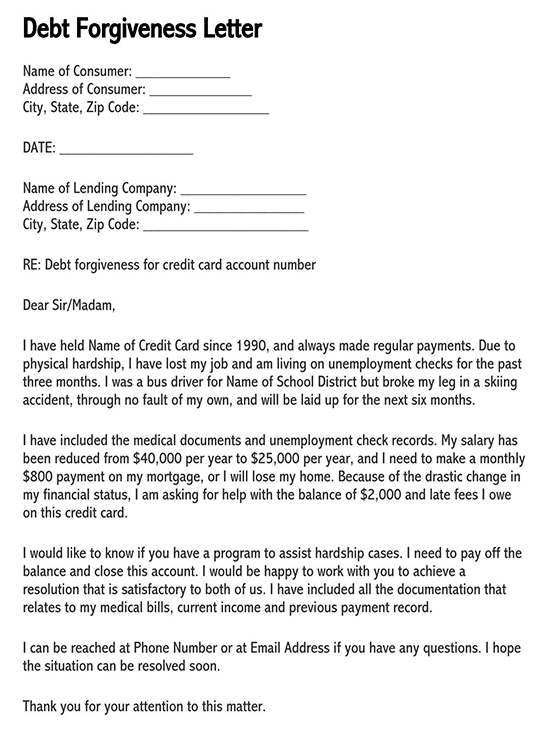
Rumored Buzz on Documents You'll Need for Debt Forgiveness